If you’re replacing your heating system or building a new home on the Northshore, one of the first decisions you’ll face is whether to choose a gas furnace or an electric furnace. Both can keep your home warm, but they differ in upfront cost, monthly operating cost, maintenance, and safety.
The right answer depends on more than which one heats “better.” In Louisiana, where winters are short and mild but cold snaps can still bring freezing nights, the best choice comes down to your home, your utility service, and how you use your heat. This guide compares both options so you can make a confident decision.
How Gas and Electric Furnaces Heat Your Home
Both types of furnaces work the same basic way: they heat air and a blower pushes it through your ductwork to every room. The difference is the heat source.
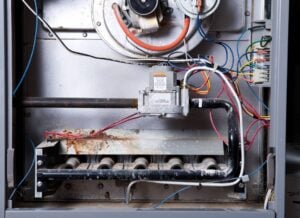
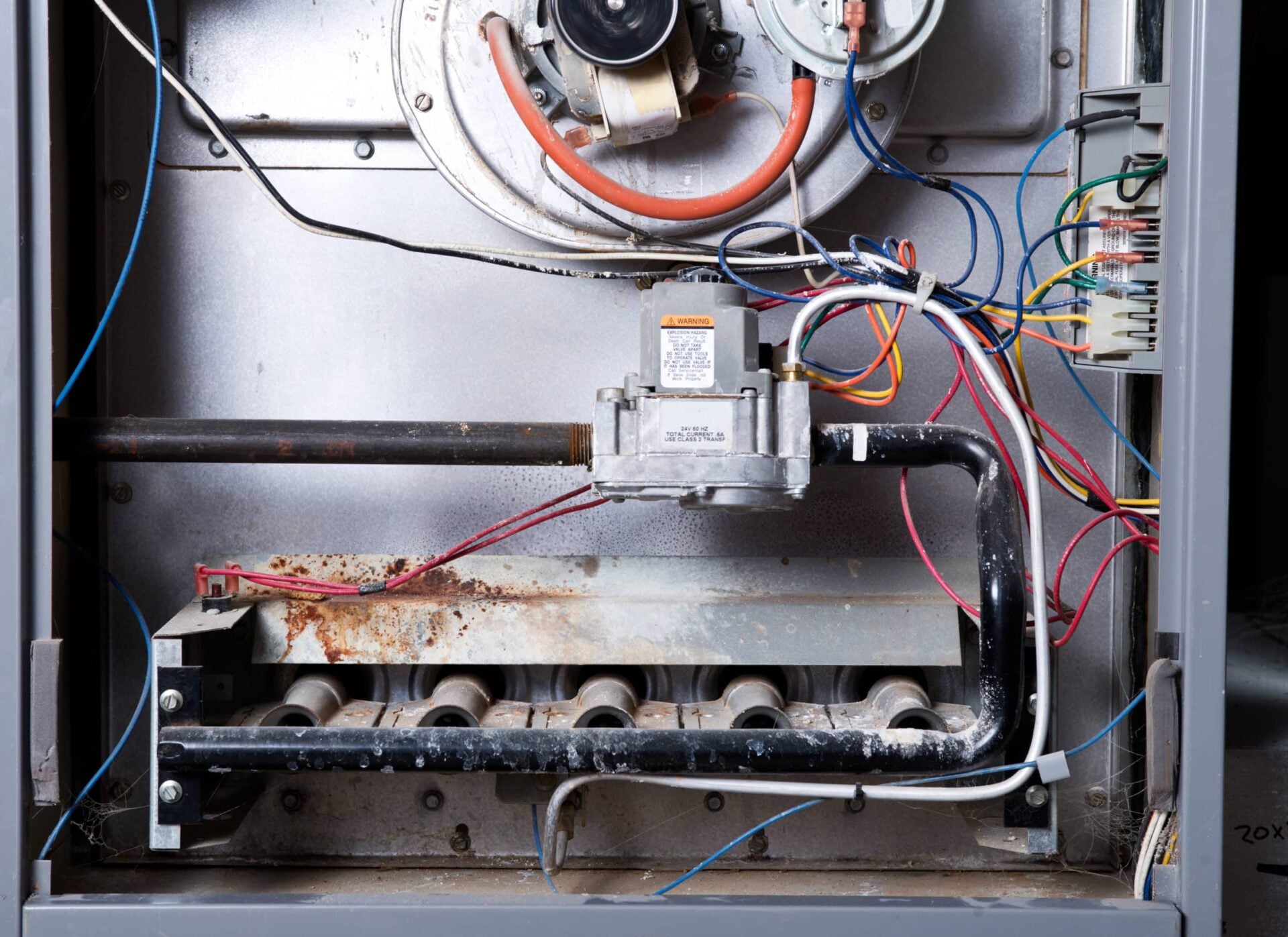
A gas furnace burns natural gas or propane in a combustion chamber. The flame warms a metal heat exchanger, and air passing over the heat exchanger carries that heat into your home. Combustion gases are vented outside through a flue.
An electric furnace uses electric heating elements, similar to the coils in a toaster, to warm the air directly. There’s no flame, no combustion, and no flue. If you’d like a closer look at the parts and how they work together, read our guide on what an electric furnace is and how it works.
Upfront Cost: Electric Usually Costs Less to Install
Electric furnaces are generally less expensive to buy and install. They’re simpler machines with fewer components, and they don’t need a gas line, a flue, or combustion venting.
Gas furnaces cost more upfront, and the price rises if your home doesn’t already have gas service. Running a new gas line, installing venting, and getting the required permits and inspections all add to the total.
If your home is all-electric today, which is common across the Northshore, switching to gas can be a significant project. If your home already has gas service and a vented gas furnace, replacing it with another gas unit is usually straightforward.
Operating Cost: It Depends on Your Rates and Your Winters
In much of the country, gas furnaces are cheaper to run because natural gas typically costs less per unit of heat than electricity. That’s why gas is the default choice in places with long, harsh winters.
Louisiana is different in two important ways:
- Short heating season. Northshore homes need heat for only a few months a year, and many winter days are mild. With fewer hours of heating, the difference in monthly operating cost between gas and electric shrinks.
- Electricity rates. Louisiana’s residential electricity rates have historically been below the national average, which narrows the cost gap even further.
An electric furnace converts nearly all the electricity it uses into heat, so it doesn’t waste energy up a flue. A gas furnace’s efficiency depends on its AFUE rating. Standard models are around 80% efficient, while high-efficiency models reach 95% or more.
For many Louisiana homeowners, the lower installation cost of an electric furnace outweighs the small savings a gas furnace might offer over a mild winter. For homes that already have gas service and run the heat often, gas can still come out ahead.
Comfort and Performance on the Coldest Nights
Gas furnaces produce hotter air at the vents, often noticeably warmer than electric systems. They also heat a home quickly when temperatures drop sharply, which is helpful during the hard freezes the Northshore sees every few winters.
Electric furnaces deliver steady, even heat, but the air from the vents feels less hot. In a well-insulated home with properly sized equipment, an electric furnace keeps rooms comfortable through a typical Louisiana winter. In older or drafty homes, the difference in heating power may be more noticeable during a cold snap.
Maintenance, Lifespan, and Safety
This is where the two options differ the most.
Gas furnaces need yearly professional maintenance. A technician checks the burners, heat exchanger, flue, gas connections, and safety controls. Because they burn fuel, gas furnaces can produce carbon monoxide if something goes wrong, so every home with a gas furnace needs working carbon monoxide detectors. Gas furnaces typically last 15 to 20 years.
Electric furnaces have no combustion, so there’s no risk of carbon monoxide from the furnace and no gas line to maintain. They need less upkeep, though a yearly check of the elements, wiring, and blower still helps. Electric furnaces often last 20 years or more.
Whichever you choose, a yearly heater tune-up before cold weather helps your system run safely and efficiently.
What About a Heat Pump?
When homeowners compare gas and electric furnaces, it’s worth considering a third option. A heat pump moves heat instead of creating it, which makes it far more efficient than an electric furnace in mild weather. It also cools your home in summer, replacing your air conditioner.
Heat pumps are well suited to the Northshore’s climate. Some homeowners pair a heat pump with a gas furnace in a dual-fuel system, so the heat pump handles mild days and the furnace takes over during hard freezes. Learn more about heat pumps and whether one fits your home.
Which Furnace Is Right for Your Northshore Home?
A gas furnace may be the better choice if:
- Your home already has natural gas service and venting
- You want the warmest air and fastest heat on the coldest nights
- You run your heat often and want lower operating costs over time
An electric furnace may be the better choice if:
- Your home is all-electric and has no gas line
- You want a lower upfront cost and simpler installation
- You prefer less maintenance and no combustion in your home
The best way to decide is to have a professional look at your home, your current equipment, and your energy bills. A proper load calculation also makes sure the system you choose is the right size, which matters as much as the fuel type.
Get Expert Help Choosing Your Next Furnace
Southern Air’s licensed technicians install gas furnaces, electric furnaces, and heat pumps for homes across the Northshore. We’ll explain the real costs of each option for your home, without pressure. Learn more about our heating installation services, or if your current system is near the end of its life, explore our heating replacement options. Call Southern Air or book online to schedule a free consultation with a licensed technician.