Carbon monoxide is one of the most dangerous hazards in a home because you can’t see it, smell it, or taste it. It can build up quietly from a faulty furnace, a blocked vent, or a generator running too close to the house, and by the time someone feels sick, levels may already be dangerous.
The risk rises in winter, when heating systems run more often and homes are closed up tight against the cold. In Louisiana, it also rises after hurricanes and storms, when many families rely on portable generators. The good news is that carbon monoxide poisoning is preventable. Here’s what every Northshore homeowner should know to keep their family safe.
What Is Carbon Monoxide?
Carbon monoxide (CO) is a colorless, odorless gas produced when fuel doesn’t burn completely. Any appliance or engine that burns fuel can produce it, including natural gas, propane, oil, wood, gasoline, and kerosene.
When you breathe in carbon monoxide, it replaces the oxygen in your bloodstream. Your body’s organs, especially the brain and heart, are deprived of the oxygen they need. High levels can cause loss of consciousness and death within minutes, and lower levels over time can still cause serious harm.
Common Sources of Carbon Monoxide in the Home
In a properly working home, fuel-burning appliances vent their exhaust safely outside. Problems happen when equipment malfunctions, vents are blocked, or engines run in enclosed spaces. Common sources include:
- Gas furnaces with a cracked heat exchanger, blocked flue, or burner problems
- Gas water heaters with poor venting
- Gas stoves and ovens, especially when used to heat a room
- Fireplaces and wood stoves with blocked chimneys
- Portable generators running indoors, in a garage, or near windows and doors
- Cars or other engines left running in an attached garage
- Fuel-burning space heaters used in closed rooms
Electric furnaces and heat pumps don’t burn fuel, so they don’t produce carbon monoxide. But if your home has any gas appliance, an attached garage, or a fireplace, you still need CO protection.
Symptoms of Carbon Monoxide Poisoning
Carbon monoxide poisoning is often mistaken for the flu because the early symptoms are similar. Watch for:
- Headache
- Dizziness or lightheadedness
- Weakness or fatigue
- Nausea or vomiting
- Shortness of breath
- Confusion or blurred vision
- Chest pain
Pay attention to patterns. If several people in the home feel sick at the same time, if symptoms improve when you leave the house and return when you come back, or if pets seem unusually sluggish, carbon monoxide may be the cause. Young children, older adults, pregnant women, and people with heart or lung conditions are at higher risk.
Where to Install Carbon Monoxide Detectors
A working CO detector is your most important line of defense. Follow these guidelines:
- Install at least one detector on every level of your home, including the basement or bonus room if you have one
- Place a detector outside each sleeping area so the alarm can wake everyone at night
- Follow the manufacturer’s instructions for mounting height and placement
- Keep detectors at least 15 feet from fuel-burning appliances to reduce false alarms
- Avoid placing them in very humid areas, such as bathrooms, or near open windows and vents
Test your detectors once a month by pressing the test button, and replace batteries at least once a year. Most CO detectors need to be replaced every 5 to 10 years, so check the manufacture date on the back of yours. Combination smoke and CO alarms are a convenient option for hallways near bedrooms.
What to Do If Your Carbon Monoxide Alarm Goes Off
Never ignore a CO alarm, even if no one feels sick. Take these steps right away:
- Get everyone, including pets, out of the house and into fresh air immediately.
- Call 911 from outside the home.
- Don’t go back inside until emergency responders say it’s safe.
- Have a qualified technician inspect your fuel-burning appliances before you use them again.
Don’t open windows and stay inside, and don’t try to find the source yourself. Getting out quickly is what matters most.
Generator Safety After Storms
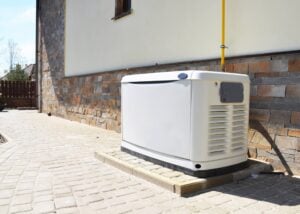
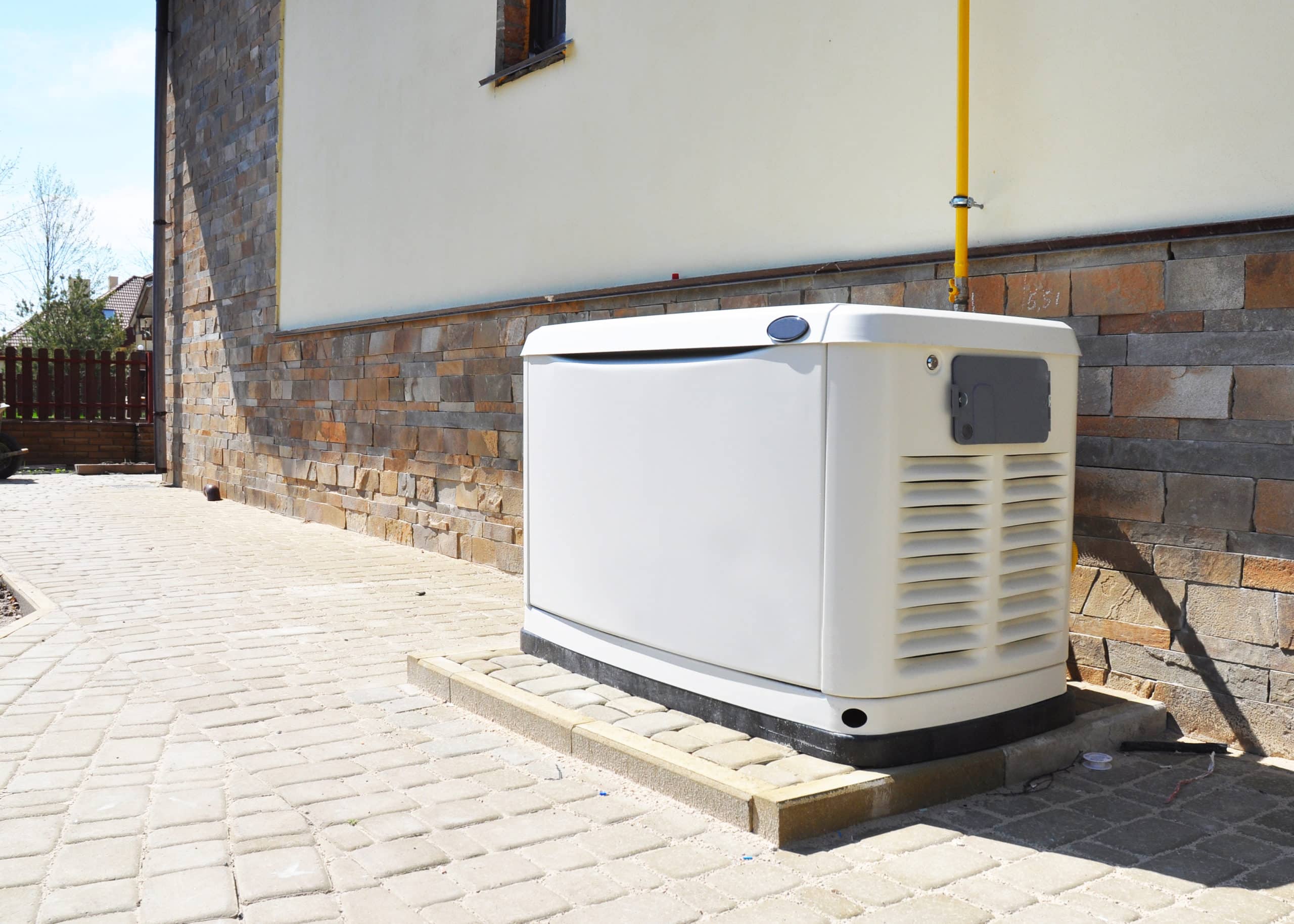
Power outages after hurricanes and severe storms are a major cause of carbon monoxide poisoning in Louisiana. A portable generator produces as much carbon monoxide as several cars running at once. To stay safe:
- Never run a generator inside your home, garage, carport, crawlspace, or on a covered porch, even with the doors open
- Place the generator at least 20 feet from your home, with the exhaust pointed away from windows, doors, and vents
- Make sure your CO detectors have fresh batteries before storm season and during any outage
How Your Heating System Affects Carbon Monoxide Risk
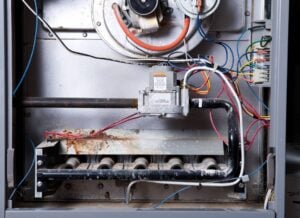
For homes with a gas furnace, the heating system is one of the most important places to prevent carbon monoxide problems. Over time, heat exchangers can crack, flues can become blocked by debris or nests, and burners can fall out of adjustment. Any of these can allow carbon monoxide into your home.
A yearly heater tune-up before the cold season includes a safety inspection of the heat exchanger, venting, burners, and gas connections. It’s one of the simplest ways to catch a problem before it becomes dangerous.
Call for service right away if you notice soot around your furnace, a yellow or flickering burner flame instead of a steady blue one, or condensation on windows near the furnace. Our technicians provide furnace repair for all major brands, and our emergency heating service is available when your heating system can’t wait. Gas water heaters need attention too, so schedule water heater repair if yours has venting problems or a pilot light that won’t stay lit.
Protect Your Family This Winter
Carbon monoxide safety comes down to three habits: keep working detectors on every level, maintain your fuel-burning appliances, and never run engines or generators in enclosed spaces. Southern Air’s licensed technicians can inspect your furnace and other gas appliances to make sure they’re operating safely. Call Southern Air or book online to schedule a safety inspection with a licensed technician.