If your heating system is getting older, you have probably wondered whether to replace it with the same thing or try something different. On the Northshore, that question usually comes down to two choices: a heat pump or a furnace. Both can keep your home warm, but they work in very different ways, and our climate gives one a clear edge in many homes. Here is how to decide, from the heating team at Southern Air of Northshore.
The Core Question: Moving Heat vs. Making Heat
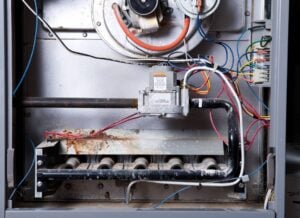
A furnace makes heat. A gas furnace burns natural gas or propane, while an electric furnace runs current through heating elements. Either way, a blower pushes that warm air through your ducts.
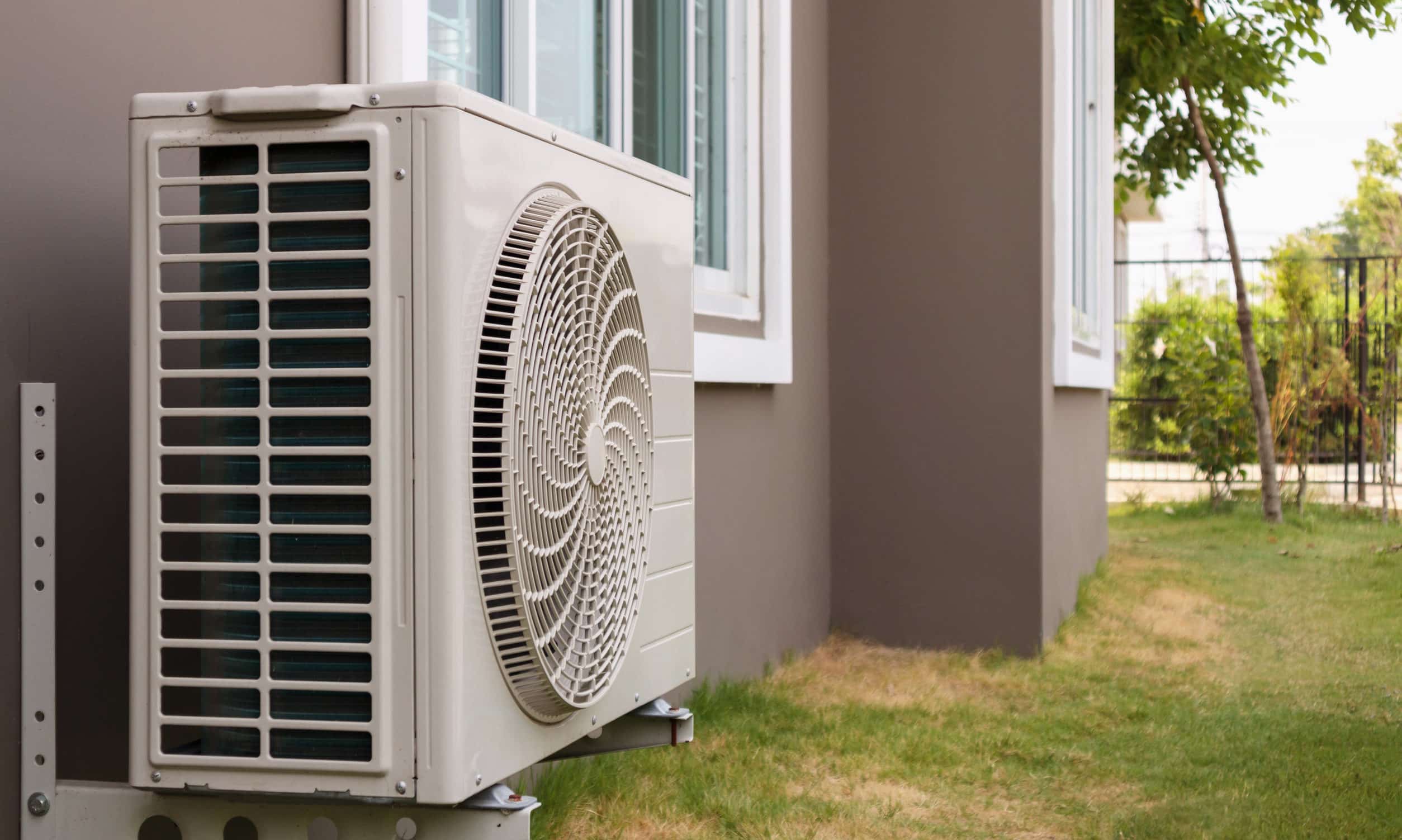
A heat pump moves heat instead of making it. In summer, it pulls heat out of your house like an air conditioner. In winter, it reverses and pulls heat from the outdoor air into your home. Because moving heat takes less energy than creating it, a heat pump can deliver two to three units of heat for every unit of electricity it uses in mild weather.
That last part matters. Heat pumps are at their best when winters are mild, and Northshore winters are about as mild as it gets.
What Northshore Homeowners Should Know
Our climate favors heat pumps
January temperatures on the Northshore average in the low 50s. Most winter days and nights sit comfortably inside a heat pump’s most efficient range. A heat pump keeps running below freezing, though it becomes less efficient as temperatures drop. Most systems include backup electric heat strips that kick in automatically for the handful of nights each year that get truly cold.
Furnaces win on the coldest nights
A gas furnace produces the same strong, hot air whether it is 45 or 20 degrees outside. That air also feels warmer coming out of the vents than air from a heat pump. Families who want that toasty feel, or who already have natural gas at the house, often prefer a furnace.
You need cooling anyway
Every Northshore home needs air conditioning, and a heat pump is an air conditioner that also heats. If you choose a furnace, you will still need a separate AC condenser outside. With a heat pump, one outdoor unit does both jobs.
Lifespan is different
Because a heat pump runs all summer and all winter, it logs far more hours each year. Most last about 10 to 15 years here. A well-maintained gas furnace runs only a few months a year and often lasts 15 to 20 years or more.
Safety and fuel
Heat pumps and electric furnaces do not burn fuel, so they carry no carbon monoxide risk from the heating system itself. Gas furnaces are safe when installed and maintained properly, but they do need annual inspections and working CO detectors.
The best of both: dual fuel
A dual-fuel system pairs a heat pump with a gas furnace. The heat pump handles most of the winter efficiently, and the furnace takes over automatically when temperatures fall below a set point. For homes with gas service, it is often the most comfortable and cost-effective setup. If your current furnace is in good shape, we may be able to pair it with a new heat pump instead of replacing everything. A technician will check compatibility during an in-home visit.
So which is better for a Louisiana home? For many households, a heat pump is the better fit because our winters are mild and the same system handles summer cooling. Homes with natural gas, or families who want hotter air on cold nights, may prefer a gas furnace or a dual-fuel system.
Heat Pump vs. Furnace: Quick Comparison
| Factor | Heat Pump | Gas Furnace |
|---|---|---|
| Heating and cooling | Both in one system | Heating only; needs a separate AC |
| Efficiency in mild winters | Very high | Good to very high (80% to 98% AFUE) |
| Performance in hard freezes | Relies on backup heat | Strong, consistent heat |
| Feel of the air | Warm, steady | Hotter air from the vents |
| Typical lifespan here | 10 to 15 years | 15 to 20+ years |
| Fuel needed | Electricity only | Natural gas or propane, plus electricity |
Cost and Timeline Considerations
For most Northshore homes, a complete heat pump system costs about $5,000 to $12,000 installed. A gas furnace replacement alone typically runs about $3,500 to $7,500, but remember that a furnace only covers heating. If your air conditioner also needs replacing, the combined cost of a furnace and new AC can match or exceed a heat pump. Our guide on how much a heat pump costs breaks down the pricing in more detail.
Operating cost is the other half of the picture. In our mild climate, a modern heat pump usually costs less to run through the winter than an electric furnace and is often close to or below the cost of a gas furnace. The exact answer depends on your local utility rates and the efficiency of the equipment.
Most replacements take one day. Switching from one type of system to another, such as electric to gas, may take two to three days if new gas lines, venting, or electrical work are needed. Financing with approved credit is available on qualifying systems.
When to Call a Professional
The right answer depends on details only an in-home visit can reveal: your ductwork, insulation, electrical panel, gas availability, and how your family uses the house. Call a licensed technician if:
- Your current system is more than 12 to 15 years old.
- You are facing a major repair and wondering whether to replace instead.
- Your heat pump leans on emergency heat even in mild weather.
- You are building, renovating, or adding square footage.
If your furnace stops working, age is the best guide. A furnace under 15 years old that needs a single repair is usually worth fixing. If it is older or needs frequent repairs, it is a good time to compare options. Our furnace repair technicians will give you an honest recommendation either way.
Our team performs a full load calculation and gives you upfront pricing on more than one option, so you can compare a heat pump, furnace, and dual-fuel setup side by side. Learn more about our heating installation service, or see our local pages for heating installation in Hammond and heating installation in Ponchatoula.
Not sure which system is right for your home? Schedule a free consultation with a licensed Southern Air technician. Call (985) 200-5442 or contact us online.