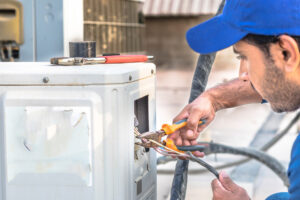
Your heat pump works harder on the Northshore than almost anywhere else. It cools your home through long, humid summers, then switches to heating through our short but real winters. Eventually, every system reaches a point where another repair just delays the inevitable. Knowing when heat pump replacement makes more sense than another fix can save you money, stress, and a no-heat night in January.
Here is what to watch for, what to know before you replace, and what the process looks like from start to finish.
Why Heat Pumps Wear Out Faster in Louisiana
In colder states, a heat pump might run hard for a few months each year. In Louisiana, it rarely gets a break. Air conditioning season stretches from spring well into fall, and the same equipment handles heating once the cold fronts arrive.
That year-round workload adds up. The compressor, fan motors, capacitors, and coils all log more hours than they would in a milder climate. Humidity and salt in the air near the lake can also speed up corrosion on outdoor coils and electrical connections.
The result is a shorter real-world lifespan. Most heat pumps here last about 10 to 15 years, even when they are designed to go longer.
Signs It’s Time to Replace Your Heat Pump
A single repair does not mean you need a new system. A pattern of problems usually does. These are the signs we see most often:
- Frequent breakdowns. If you have needed more than one or two repairs in the last couple of seasons, costs tend to keep climbing as parts age together.
- Rising energy bills. An aging heat pump loses efficiency and runs longer to do the same job, which shows up on your power bill.
- Heavy reliance on backup heat. If the “aux” or “emergency heat” light comes on often in mild weather, the heat pump may no longer be keeping up.
- Uneven comfort or humidity. Rooms that never feel right, or a house that feels clammy in summer, can point to a system that is worn out or was never sized correctly.
- Constant running. A system that runs nonstop without reaching the thermostat setting is struggling.
- An R-22 system. R-22 refrigerant has not been produced since 2020. If an older system with R-22 develops a leak, recharging it is expensive, and replacement is usually the smarter move.
What Homeowners Should Know Before Replacing
A lot has changed in heat pump technology over the last decade. Knowing these basics helps you compare quotes and ask the right questions.
Refrigerants have changed
New heat pumps no longer use R-22, and the industry has also moved away from R-410A. Most new systems now use lower-impact refrigerants such as R-454B or R-32. This is a big reason a full system replacement usually makes more sense than mixing new and old parts.
Efficiency ratings look different
Heat pumps are now rated with SEER2 for cooling and HSPF2 for heating. These updated ratings are more realistic than the older SEER and HSPF numbers. A higher rating means lower operating costs, which matters in a climate where your system runs most of the year.
Proper sizing is critical
A heat pump that is too large cycles on and off too often and leaves your home humid. One that is too small runs constantly and wears out early. A good contractor performs a load calculation on your home rather than simply matching the size of your old unit.
You may have more options than you think
Depending on your home, you might consider a variable-speed heat pump for better humidity control, a dual-fuel system that pairs a heat pump with a gas furnace, or a ductless mini-split for areas your ductwork does not reach.
Repair or Replace? When to Call a Professional
If your heat pump is under 10 years old and the problem is a single part like a capacitor, contactor, or fan motor, repair is usually the right call. Our heating repair team can tell you quickly whether a fix will give you more good years.
For older systems, the “5,000 rule” is a helpful starting point. Multiply your system’s age by the repair cost. If the result is more than $5,000, replacement is worth serious consideration. For example, a 12-year-old system facing a $500 repair comes to $6,000.
It is time to call a professional for a full assessment if:
- Your compressor has failed on a system more than 10 to 12 years old
- You have a refrigerant leak in an R-22 system
- Repairs have become a yearly event
- Your system cannot keep your home comfortable in summer or winter
A licensed technician will look at the compressor, refrigerant lines, coils, electrical components, ductwork, and your repair history before making a recommendation. At Southern Air, we will tell you honestly when a repair still makes sense.
Cost and Timeline: What to Expect
For most Northshore homes, a complete heat pump replacement falls between about $5,000 and $12,000, including equipment and labor. Where you land depends on system size, efficiency rating, brand, and whether your home needs duct or electrical work. Our guide to how much a heat pump costs breaks down each of these factors.
The process itself is straightforward:
- In-home consultation. A technician evaluates your home, your current system, and your comfort goals, then performs a load calculation.
- Clear options and pricing. You get upfront pricing on a few system choices, along with available financing options.
- Installation day. The crew removes the old equipment, installs the new indoor and outdoor units, connects refrigerant lines and wiring, and tests everything.
- Walkthrough. Before leaving, your technician shows you how to use the new system and thermostat and explains your warranty.
Most replacements are completed in a single day. For a detailed step-by-step look, see our article on the heat pump installation process.
Timing matters too. Replacing your system in the fall, before the first hard cold front, means easier scheduling and no emergency decisions during a freeze.
Heat Pump Replacement FAQs
How long does a heat pump last in Louisiana?
Most heat pumps on the Northshore last about 10 to 15 years. Because they cool all summer and heat in winter, they run far more hours each year than heat pumps in colder or milder climates. Regular maintenance helps push a system toward the upper end of that range.
Can I replace just the outdoor unit?
Usually not. The indoor coil and outdoor unit are designed to work as a matched pair. Newer systems also use different refrigerants than older ones, so mixing old and new components can hurt efficiency, void warranties, or simply not work. In most cases, replacing both together is the better choice.
How long does heat pump replacement take?
Most straight swap-outs are finished in one day. If your home needs duct repairs, electrical upgrades, or a change in where the equipment sits, the job may take an extra day. Your technician will give you a timeline during the consultation.
When is the best time to replace a heat pump?
Fall and spring are ideal. Demand is lower, scheduling is easier, and you avoid being forced into a rushed decision when your system fails during a summer heat wave or a winter cold snap.
Is a heat pump still a good choice for Northshore homes?
Yes. Our mild winters are a good fit for heat pumps, which heat efficiently in most Northshore weather. If you want extra backup for hard freezes, a dual-fuel system pairs a heat pump with a gas furnace that takes over when temperatures drop.
Schedule a Free Replacement Consultation
If your heat pump is aging, breaking down often, or driving up your energy bills, a quick assessment can tell you where you stand. Schedule a free consultation with a licensed Southern Air technician by calling (985) 200-5442. We will give you honest advice on heating replacement or new heating installation, and we will tell you if a repair still makes sense.
Not ready to replace yet? Explore all of our heating services, including furnace repair and seasonal tune-ups.